
The exact pieces I’m wearing…Coat | Sweater | Jeans | Boots | Earrings
Chances are you’ve heard me use the terms hue, tint, tone and shade when referring to color. Each of these terms has a specific meaning that are important to know.Why is it important to be familiar with these terms? Because you can use this knowledge for choosing color combinations to create fabulous looks. For instance, my outfit of the day mixes tones and shades.
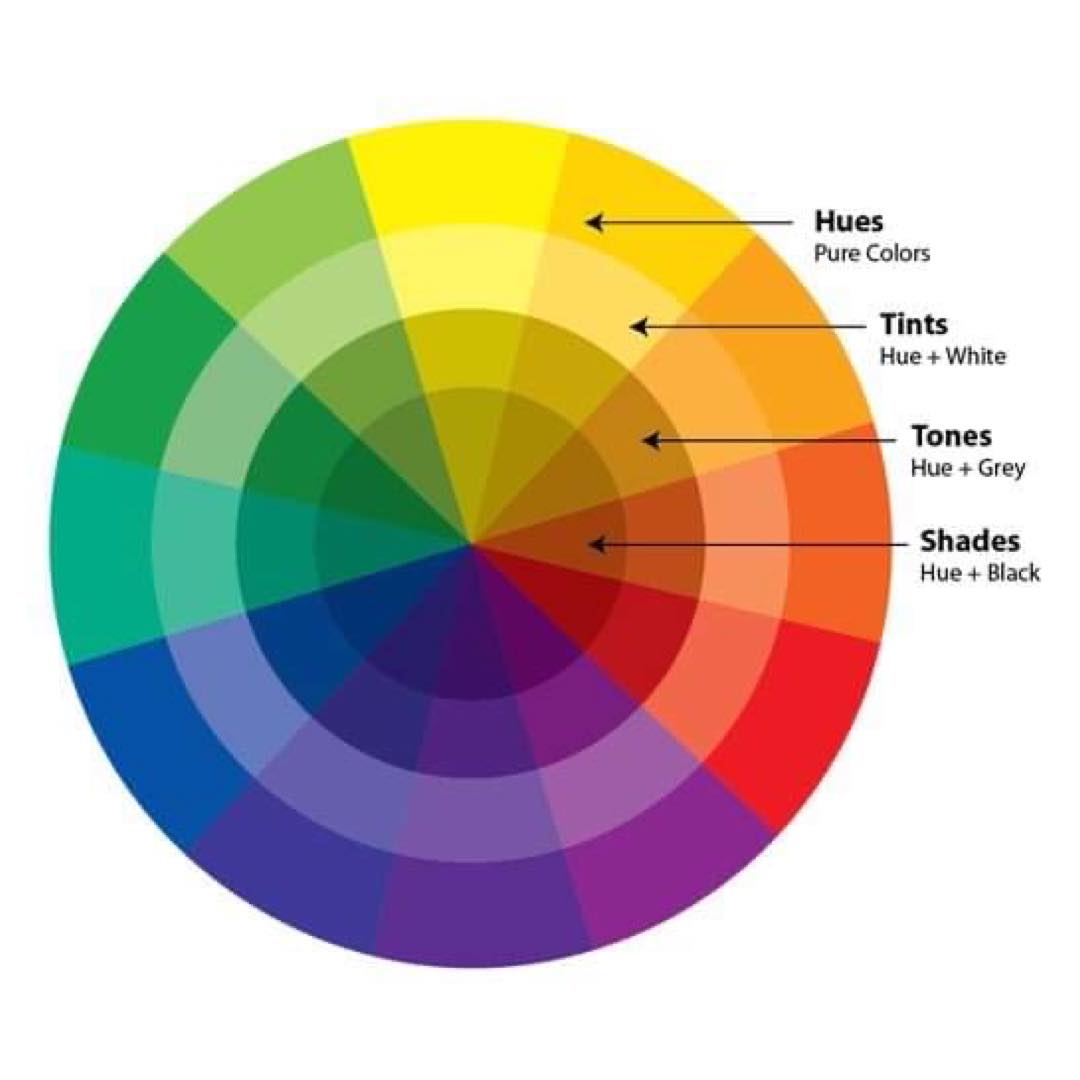
Hue is a term that seems more complicated than it is. A hue is simply another name for color. More specifically, a hue is any color on the color wheel. If you’re bold with your dressing, you can pair different pure hues (primary colors) in your outfit. Hues on the exact opposites of the color wheel are known as complementary colors. I love combining complementary colors when dressing my clients. Tints are created when you add white to any hue on the color wheel. This will lighten and desaturate the hue, making it less intense. They are calmer quieter colors. You can mix hues with similar tints in one outfit! Tones are created when you add both black and white to a hue. You could also say grey has been added. Depending on the proportions of black, white and the original hue used, tones can be darker or lighter than the original hue, and will also appear less saturated or intense than the original hue. Pairing pieces in similar tones make an outfit more interesting. Shades are created when only black is added to a hue. This results in a rich, often more intense and darker color. Alternatively, a hue can often be made darker by adding another dark hue rather than black.
Love the look? Shop it here…

Now that you’re familiar with the meanings of hues, tints, tones, and shades go ahead and have some fun mixing and matching pieces from your wardrobe that work well together.